
 Topics
 Popular Posts


 Subscribe

 Jul 21, 2025 2:30:00 PM


Deepfake Fraud: How AI Impersonated Executives for a $25 Million Scam
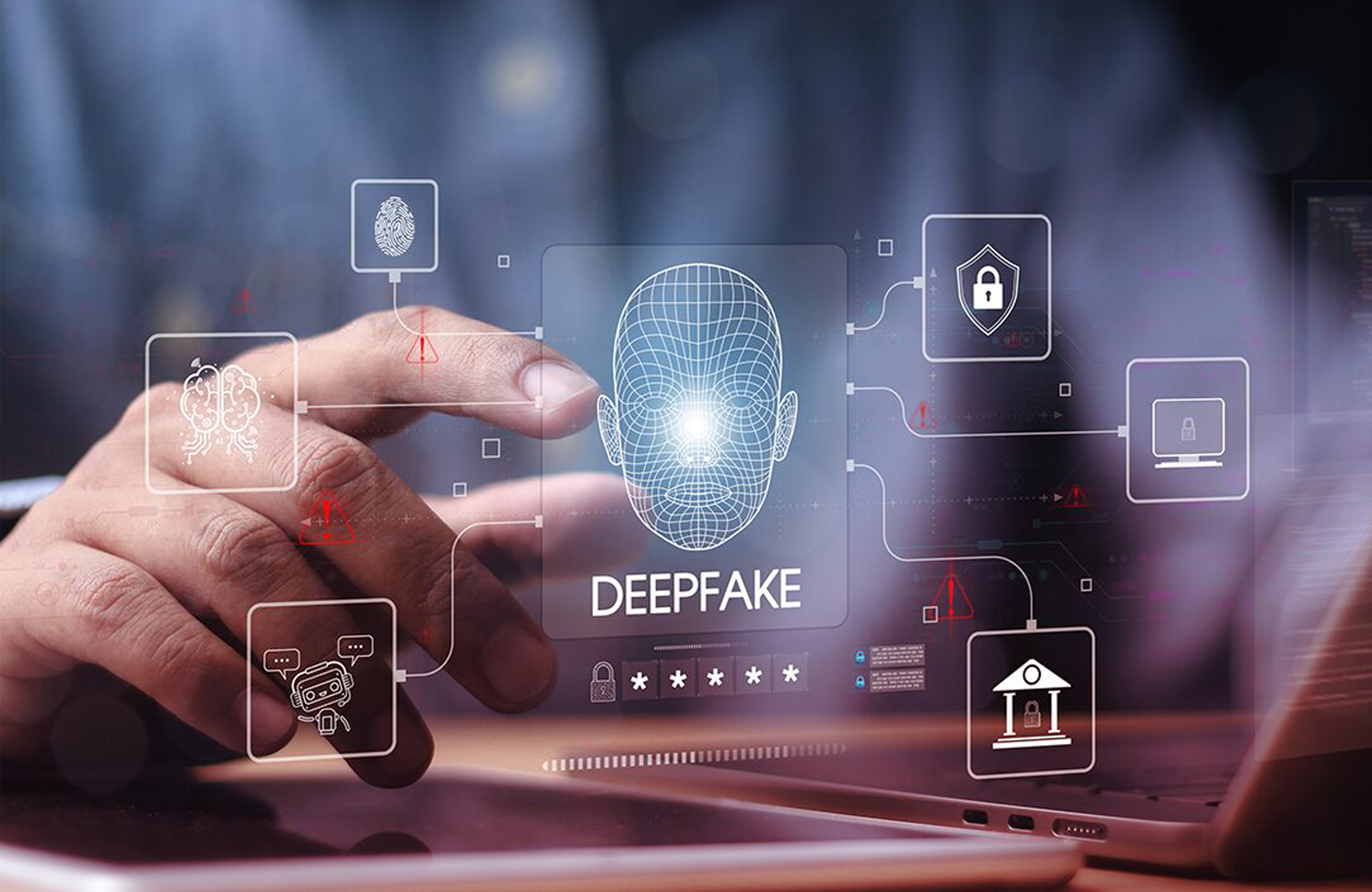
In February 2024, British multinational engineering firm Arup fell victim to what may be the most sophisticated social engineering attack we've seen yet. The damage? A staggering $25 million lost to criminals who never even stepped foot in the company's offices.
How It Happened: The Perfect Digital Disguise
Fraudsters targeted an Arup employee through what appeared to be a legitimate video
conference with several colleagues. Using AI-generated deepfake technology, the scammers
created ultra-realistic video and voice replicas of company executives that were convincing
enough to fool even initially suspicious staff members.
The preparation was meticulous. For months, the attackers had gathered video footage of Arup
employees from publicly available sources like YouTube, analyzing speech patterns,
mannerisms, and appearance to create their digital disguises.
During the fake video call, these convincing digital doppelgangers instructed the employee to
initiate several wire transfers that ultimately amounted to $25 million. By the time the deception
was discovered, the money had vanished into a complex web of accounts.
As Arup's Chief Information Officer Rob Greig noted after the incident: "This happens more
frequently than people realize." The frightening reality is that this sophisticated
technology is
increasingly accessible, requiring "very little technical skill to copy a voice, image or even a
video."
The Aftermath: Picking Up the Pieces
In the wake of the attack, Arup implemented several critical remediation steps:
- Collaboration with law enforcement agencies across multiple jurisdictions to track the stolen funds
- Introduction of mandatory multi-factor verification protocols for all financial transactions above certain thresholds
- Establishment of out-of-band verification requirements for executive-level financial requests
- Enhanced security awareness training for all employees, with special focus on deepfake detection
While these measures helped strengthen Arup's defenses, the reality remains that most organizations are unprepared for this level of sophisticated attack.
Preventing the Next Deepfake Disaster
The Arup case highlights a critical vulnerability in today's corporate security posture: the human
element. While organizations invest heavily in firewalls, anti-malware, and intrusion detection
systems, many overlook their most vulnerable asset—their people.
Here are essential protective measures every organization should implement immediately:
-
 Establish Multi-Channel Verification Protocols – For any significant financial transaction or sensitive information request, establish mandatory verification through a separate, previously established communication channel. For example, if a request comes through email or video call, verify it through a direct phone call to the executive's established number.
 -
Implement Authentication Challenges – Create simple authentication challenges known only to legitimate team members. These could be code words, specific references to recent in-person events, or questions about internal matters that an impersonator wouldn't know.
-
Institute Delay Procedures for Large Transfers – Implement a mandatory waiting period for large transfers, including approval from multiple parties who must verify the request through different channels.
-
Conduct Regular Deepfake Awareness Training – This is where comprehensive security awareness training becomes essential. Your employees need to know what deepfakes are, how to spot them, and the protocols to follow when they suspect something isn't right.
How ZiSoft Builds Your Human Firewall Against Deepfake Attacks
Developing a human firewall against these sophisticated attacks requires more than just a one-time training session. ZiSoft's AI-powered Awareness Management System provides the continuous, personalized training needed to protect your organization from even the most advanced social engineering threats.
- Practical Deepfake Detection Training – ZiSoft's interactive learning modules specifically address deepfake technology, helping employees recognize subtle signs like unnatural eye movements, lighting inconsistencies, and audio-visual synchronization issues that often appear in even sophisticated deepfakes.
- Simulated Phishing and Social Engineering Campaigns – Our comprehensive phishing and social engineering simulations include deepfake scenarios that safely expose employees to the tactics used by attackers. These simulations are followed by immediate learning opportunities when employees make mistakes, creating powerful teachable moments.
- Personalized Learning Pathways – ZiSoft's AI algorithms analyze individual behaviors and knowledge gaps to create customized learning experiences. This ensures that each employee receives focused training on their specific vulnerabilities, whether they're most susceptible to deepfakes, phishing, or other social engineering tactics.
- Real-Time Threat Intelligence – As deepfake technology evolves, so does our training content. ZiSoft integrates real-time threat intelligence to keep your organization informed about the latest deepfake techniques and countermeasures.
The Bottom Line: Invest in Your Human Firewall
The $25 million Arup deepfake scam should serve as a wake-up call. As Rob Greig stated after the incident, "Companies can no longer afford to wait around." With threats evolving daily, your security strategy must evolve too.
Request a Demo : Zisoft's Awareness Training
Protect your team with ZiSoft’s Awareness Training and simulated phishing drills to help developers spot fake job scams before it’s too late.
https://ZINAD.net/support-page.html